


Caregiving and Caregivers in Halton

Caregiving is an essential yet often invisible part of Canada’s social and economic fabric. Across the country, millions of individuals provide unpaid care to aging parents, partners, children, friends, and neighbours. This unpaid support sustains families, communities, and health systems, but also brings emotional, financial, and practical challenges, particularly for women, midlife adults, and those balancing care across generations.
This latest Community Data Watch explores caregiving and caregivers in Halton within the broader Canadian context. While local data remain limited, national findings help illustrate the scale and importance of unpaid caregiving and the growing need to recognize and support caregivers.
Who Are Canada’s Caregivers?
In 2022, 42% of Canadians aged 15 and over, representing 13.4 million people, provided unpaid care to either children under age 15 or individuals aged 15 and older with a long-term condition or disability. Among caregivers, 52% cared only for children, 35% cared only for care-dependent adults, and 13% provided care for both children and adults.

Figure 1: Age and Gender of Population (15+) by Type of Unpaid Caregiver, Canada, 2022 (Statistics Canada, CSS, 2022).
The data show that unpaid caregiving remains unevenly distributed. Women were more likely than men to be unpaid caregivers, particularly when it came to caring for both children and adults. Caregiving burden peaks in mid-adulthood, when individuals are most likely to care for aging parents while also supporting dependent children.
This group, often referred to as the “sandwich generation,” experiences some of the highest levels of stress, time strain, and financial pressure among all caregiver groups. In 2022, nearly 6% of Canadians aged 15 and over, approximately 1.8 million people, were sandwich caregivers. Most commonly, they cared for their parents or parents-in-law while also caring for their own children.
The Impact of Caregiving
Figure 2: Proportion of Caregivers by Impact of Caregiving Responsibilities, Canada, 2022 (Statistics Canada, CSS 2022)
The impacts of caregiving extend well beyond time commitments. According to Statistics Canada, 86% of sandwich caregivers reported that their caregiving responsibilities affected at least one aspect of their health and well-being. The most common impacts included feeling tired, worried, anxious, or overwhelmed. Two-thirds of non-retired sandwich caregivers also reported that caregiving negatively affected their employment or job-seeking activities.
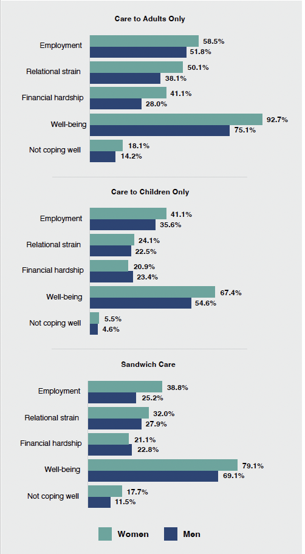
Figure 2: Proportion of Caregivers by Impact of Caregiving Responsibilities, Canada, 2022 (Statistics Canada, CSS 2022)
Caregiving also represents one of the most significant and often unrecognized contributions to Canada’s economy. Caregivers provided approximately 5.8 billion hours of unpaid care annually, the equivalent of 2.8 million full-time care workers. Using a median home support worker wage, the replacement value of unpaid caregiving has been estimated at $97.1 billion per year, representing approximately 4.2% of Canada’s GDP.
Without the ongoing contribution of family caregivers, Canada’s care system and economy would face severe strain. Their unpaid efforts reduce pressure on health and social care systems while supporting the well-being of families and communities.
What We Are Hearing in Halton
While national data help illustrate the scale of caregiving, local organizations in Halton are seeing similar trends. Community partners report increasing complexity of need, growing demand for services, and ongoing challenges related to caregiver burnout and access to supports.
Data shared by Nucleus Independent Living found that 50% of caregivers surveyed rated their burnout as moderate to high. Key contributors included balancing work and caregiving responsibilities, declining caregiver health, increasing complexity in client needs, and emotional stress related to family caregiving roles.
At the same time, caregivers and organizations highlighted the importance of accessible respite care, peer support, in-home services, education programs, and flexible supports that help caregivers maintain their own well-being while continuing to care for others.
Looking Ahead
Looking ahead, caregiving is expected to become an even more central feature of community life in Halton. Population projections indicate that the number of residents aged 65 and over is expected to reach approximately 195,000 by 2051, an increase of more than 80% from 2024. By then, seniors are projected to represent 22% of Halton’s population.

Figure 10: Projected Senior Population and Proportion of Total Population, Halton Region (Ontario Ministry of Finance, population projections)
As Halton’s population continues to age, caregiving needs will become more pronounced. The findings from this Community Data Watch highlight the vital role caregivers play in supporting families, communities, and the broader health and social care system. Recognizing, valuing, and supporting caregivers will be essential to ensuring community well-being now and into the future.
To read the full report and learn more about caregiving, click this link:
References
Fast, J. (2022). Family Day imagery neglects family caregivers' care work; it needs to be valued. The Conversation. https://theconversation.com/family-day-imagery-neglects-family-caregivers-care-work-it-needs-tobe-valued-175801
Nucleus Independent Living. (2026). Caregiver Burnout & Program Impact (2025–2026): Supporting Caregivers Through Recharge, Adult Day Program, and Short Stay Services.
Ontario Caregiver Organization. (2025). Spotlight on Ontario Caregivers. https://ontariocaregiver.ca
Ontario Ministry of Finance. (2024). Ontario population projections, 2024–2051. https://www.ontario.ca/page/ontario-population-projections
Statistics Canada. (2022). Canadian Social Survey: Well-being and Caregiving. https://www.statcan.gc.ca/en/survey/household/5354-WC
Statistics Canada. (2024). Sandwiched between unpaid care for children and care-dependent adults: A gender-based study. https://www150.statcan.gc.ca/n1/pub/89-652-x/89-652-x2024002-eng.htm


Comments